Aging is an inevitable part of life, affecting all living organisms in different ways. While the fundamental biological processes of aging are shared across species, the way aging manifests in humans and pets—particularly dogs—can vary significantly. Understanding these similarities and differences is crucial not only for improving our own health but also for enhancing the quality of life for our beloved pets as they grow older. This article will explore the common threads and distinctions in the aging processes of people and pets, shedding light on how we can support healthy aging for all.
The Science of Aging: Common Biological Mechanisms
1. Cellular Senescence
One of the key drivers of aging is cellular senescence, a process where cells lose their ability to divide and function properly. Senescent cells accumulate over time, releasing inflammatory factors that contribute to tissue degeneration and age-related diseases.
In Humans: Cellular senescence is implicated in a wide range of age-related conditions, including cardiovascular disease, osteoarthritis, and neurodegenerative disorders such as Alzheimer's disease.
In Dogs: Similarly, cellular senescence in dogs can lead to conditions like arthritis, cognitive decline (often referred to as canine cognitive dysfunction), and heart disease. The buildup of senescent cells accelerates the aging process, making interventions that target these cells—such as senolytic therapies—of great interest in both human and veterinary medicine.
2. Mitochondrial Dysfunction
Mitochondria, often referred to as the "powerhouses" of the cell, generate the energy necessary for cellular functions. However, as we age, mitochondrial efficiency declines, leading to reduced energy production and increased oxidative stress, which damages cells and tissues.
In Humans: Mitochondrial dysfunction is a hallmark of aging, contributing to fatigue, muscle weakness, and metabolic disorders such as diabetes. Researchers like David Sinclair have explored ways to boost mitochondrial function through compounds like NAD+ precursors, which support cellular energy production.
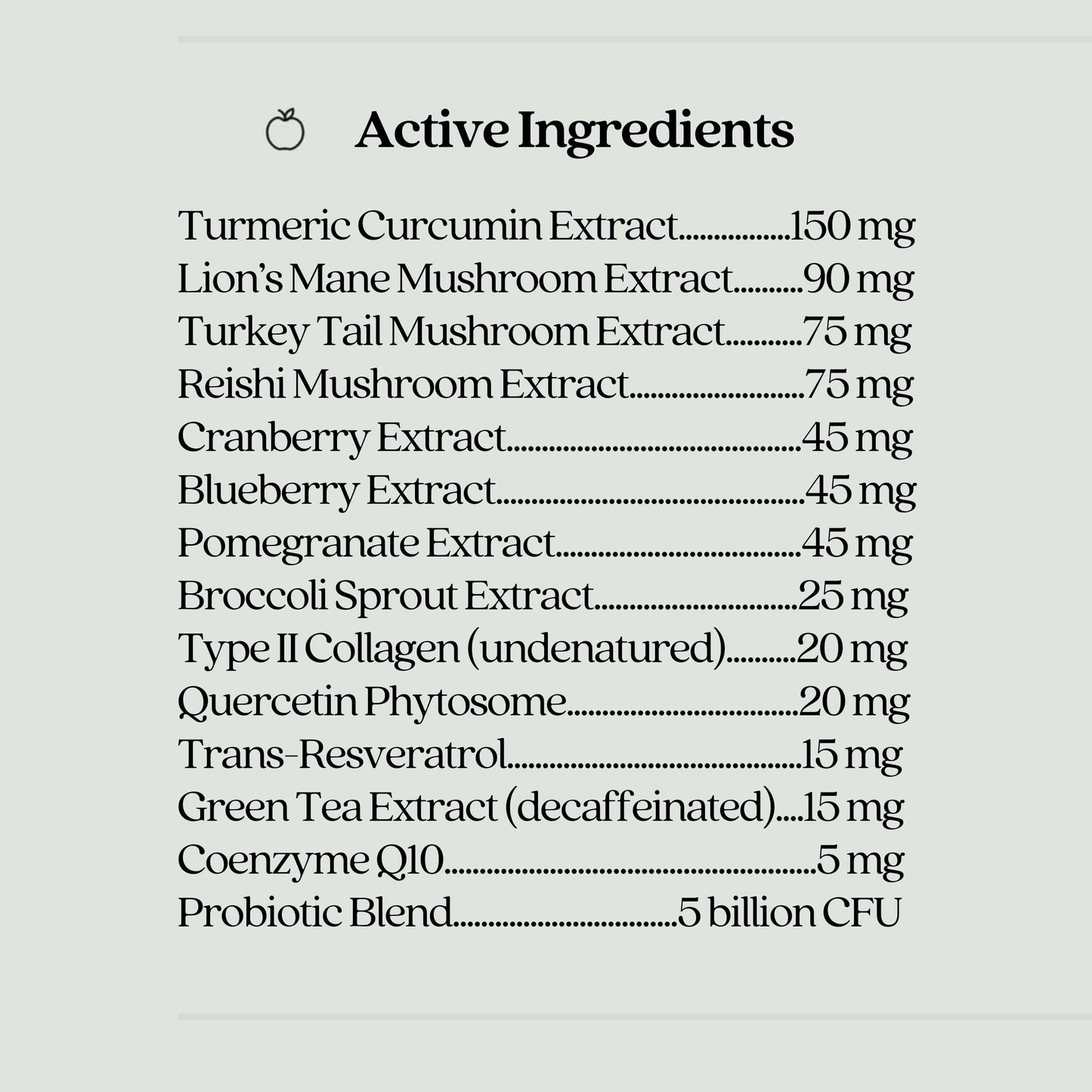
In Dogs: In dogs, mitochondrial decline is associated with reduced vitality, muscle atrophy, and a decreased ability to recover from exercise. Nutritional interventions that support mitochondrial health, such as Coenzyme Q10 and other antioxidants, are increasingly recognized as beneficial for aging pets.
3. Epigenetic Changes
Epigenetics refers to changes in gene expression that do not involve alterations in the DNA sequence. As organisms age, epigenetic changes can lead to the activation of harmful genes or the silencing of protective ones, accelerating the aging process.
In Humans: Epigenetic changes are linked to a variety of age-related diseases, including cancer, diabetes, and neurodegeneration. Research by scientists like Robert Horvath has focused on epigenetic clocks, which measure biological age based on DNA methylation patterns.
In Dogs: Epigenetic changes in dogs can similarly influence their susceptibility to diseases and their overall aging trajectory. Understanding these changes in dogs is an emerging field, with the potential to develop interventions that delay aging and extend healthspan in our pets.
Unique Aspects of Aging in Humans and Dogs
1. Lifespan and Aging Rate
One of the most obvious differences between humans and dogs is their lifespan. Dogs age much more rapidly than humans, with a general rule of thumb being that one dog year is equivalent to about seven human years. However, this rule is an oversimplification, as aging rates vary significantly among dog breeds.
In Humans: Humans typically live much longer than dogs, with a lifespan of around 70-80 years on average. The slower aging process in humans allows for a longer period of healthspan—the portion of life spent in good health—but also means that age-related diseases can take longer to develop.
In Dogs: Depending on the breed, dogs may live anywhere from 10 to 20 years. Smaller breeds tend to live longer than larger breeds, but all dogs experience a more rapid onset of age-related conditions. This accelerated aging process in dogs highlights the importance of early and proactive interventions to maintain their health and quality of life.
2. Cognitive Decline and Neuroprotection
Cognitive decline is a common feature of aging in both humans and dogs, but the manifestations and progression can differ.
In Humans: Cognitive decline in humans can begin subtly, with mild memory loss or reduced problem-solving abilities, eventually progressing to more severe conditions like dementia and Alzheimer's disease. Interventions that target brain health—such as regular mental exercise, a healthy diet, and certain supplements—can help slow this decline.
In Dogs: Dogs can also experience cognitive decline, often referred to as canine cognitive dysfunction (CCD), which is similar to Alzheimer's disease in humans. Symptoms include disorientation, changes in social interactions, and disrupted sleep patterns. Neuroprotective supplements, such as those containing omega-3 fatty acids, antioxidants, and adaptogens, can support brain health and slow the progression of CCD in aging dogs.
3. The Role of Diet and Nutrition
Diet plays a crucial role in the aging process for both humans and dogs, influencing everything from metabolic health to cognitive function and longevity.
In Humans: A diet rich in whole foods, healthy fats, and antioxidants is associated with better health outcomes and a longer healthspan in humans. Diets such as the Mediterranean diet have been shown to reduce the risk of chronic diseases and support healthy aging.
In Dogs: Similarly, a balanced diet is key to healthy aging in dogs. High-quality protein, healthy fats, and nutrient-dense ingredients can support everything from joint health to cognitive function. In addition to a balanced diet, supplements designed to address the specific needs of aging dogs—such as those containing glucosamine, chondroitin, and omega-3 fatty acids—can help maintain their health as they age.
Similarities in Aging: Lessons from Human and Canine Studies
1. The Dog Aging Project
The Dog Aging Project, spearheaded by researchers like Matt Kaeberlein, is a large-scale study that aims to understand the biological and environmental factors that influence aging in dogs. By collecting data on thousands of dogs, the project seeks to identify strategies that can extend both lifespan and healthspan in pets.
Relevance to Human Aging: The findings from the Dog Aging Project have implications for human health as well. Many of the biological mechanisms that contribute to aging in dogs are similar to those in humans, suggesting that interventions that work in dogs could also be beneficial for people. For example, research on rapamycin, a drug that targets the mTOR pathway and has been shown to extend lifespan in mice, is being explored for its potential to delay aging in dogs—and possibly humans.
2. Longevity Research and Cross-Species Applications
Researchers like David Sinclair have been at the forefront of longevity research, exploring interventions that can extend lifespan and delay the onset of age-related diseases. This research often involves animal models, including dogs, which share many genetic and physiological similarities with humans.
Epigenetic Reprogramming: One of the most exciting areas of research is epigenetic reprogramming, which aims to reverse the aging process by resetting the epigenetic marks that accumulate over time. While this research is still in its early stages, the potential to apply these findings to both human and canine health is significant, offering the possibility of not just extending lifespan but also improving the quality of life as we age.
A Holistic Approach to Healthy Aging: Practical Tips for People and Pets
1. Staying Active
For Humans: Regular exercise is one of the most effective ways to promote healthy aging. Activities such as walking, swimming, and strength training help maintain muscle mass, support cardiovascular health, and improve mental well-being.
For Dogs: Dogs also benefit from regular physical activity, which supports joint health, maintains a healthy weight, and provides mental stimulation. Tailoring exercise routines to your dog’s age and physical condition is important, with activities like gentle walks, swimming, or play sessions being ideal for aging pets.
2. Eating Right
For Humans: A diet rich in fruits, vegetables, whole grains, and lean proteins provides the nutrients needed to support healthy aging. Antioxidant-rich foods, in particular, help combat oxidative stress and reduce the risk of chronic diseases.
For Dogs: A balanced, nutrient-dense diet is equally important for dogs. High-quality commercial dog food or home-prepared meals that include lean proteins, healthy fats, and vegetables can help maintain your dog’s health. Additionally, supplements designed for aging dogs, such as those containing glucosamine for joint health or omega-3 fatty acids for cognitive function, can provide targeted support.
3. Mental Stimulation and Social Interaction
For Humans: Keeping the mind active through puzzles, reading, learning new skills, and social interactions is crucial for maintaining cognitive health and preventing decline.
For Dogs: Mental stimulation is just as important for dogs, especially as they age. Engaging your dog with puzzle toys, training exercises, and socialization with other dogs can help keep their mind sharp and reduce the risk of cognitive decline.
4. Regular Health Check-Ups
For Humans: Routine medical check-ups allow for early detection of potential health issues, enabling timely intervention and management of age-related conditions.
For Dogs: Regular veterinary visits are essential for monitoring your dog’s health as they age. Your vet can provide guidance on diet, exercise, and supplementation, as well as detect early signs of conditions like arthritis or cognitive dysfunction, allowing for prompt treatment.
Conclusion: Embracing the Aging Journey Together
Aging is a natural part of life, and while it brings challenges, it also offers an opportunity to deepen our connection with our pets as we navigate this journey together. By understanding the similarities and differences in how people and pets age, we can make informed decisions that enhance our health and the health of our furry companions. Through a holistic approach that includes regular exercise, a balanced diet, mental stimulation, and appropriate supplementation, we can help ensure that both we and our pets enjoy a long, healthy, and fulfilling life.
Why Do People and Pets Age?
Aging in both people and pets is driven by similar biological mechanisms, such as cellular senescence, mitochondrial dysfunction, and epigenetic changes. These processes lead to the gradual decline in physical and cognitive functions over time.
Key Differences in Aging Between Humans and Dogs:
- Lifespan: Dogs age more rapidly than humans, with different breeds experiencing varying rates of aging.
- Cognitive Decline: Both humans and dogs experience cognitive decline, but the progression and manifestations can differ.
- Diet and Nutrition: A balanced diet is crucial for both humans and dogs, with tailored nutrition playing a key role in supporting healthy aging.
Practical Tips for Healthy Aging:
Stay Active: Regular physical activity supports joint health, cardiovascular function, and mental well-being.
Eat Right: A nutrient-rich diet with a focus on antioxidants helps combat oxidative stress and supports overall health.
Mental Stimulation: Engage in activities that challenge the mind and encourage social interaction to maintain cognitive health.
Regular Health Check-Ups: Routine medical and veterinary visits ensure early detection and management of age-related conditions.