Pugs, with their wrinkled faces, curly tails, and charming personalities, have captured the hearts of dog lovers worldwide. Known for their playful and affectionate nature, Pugs are a popular choice for families and individuals alike. If you’re considering bringing a Pug into your home or already have one, you might be wondering, "How long do Pug dogs live?" Understanding the lifespan of a Pug, along with the factors that influence their longevity, is key to ensuring they live a long, healthy, and happy life.
In this guide, we’ll explore the average lifespan of Pugs, the factors that impact their longevity, common health concerns, and practical tips on how to optimize their healthspan.
Understanding the Pug Lifespan
Pugs typically live between 12 to 15 years, although with proper care, some Pugs can live even longer. Their relatively long lifespan, especially for a small breed, reflects the resilience and sturdy nature of Pugs. However, the exact lifespan of a Pug can vary depending on factors such as genetics, diet, exercise, healthcare, and overall lifestyle.
A Small Breed with a Big Heart and a Long Life
Pugs are known for their affectionate nature and strong bonds with their owners. While they are generally a healthy breed, Pugs are prone to certain health issues, particularly due to their brachycephalic (flat-faced) structure. Being aware of these potential problems and taking proactive steps to manage them can help your Pug live a long, fulfilling life.
Factors That Influence a Pug’s Lifespan
1. Genetics and Responsible Breeding
Genetics play a significant role in determining how long a Pug will live. Like all breeds, Pugs can inherit certain health conditions from their parents, which is why responsible breeding practices are crucial.
Responsible Breeding Practices: Reputable breeders prioritize the health of their breeding stock by performing genetic testing to reduce the risk of hereditary conditions. When selecting a Pug puppy, ask the breeder for health clearances for both parents. This can help ensure you’re getting a healthy dog with a better chance of a long life.
2. Diet and Nutrition: The Foundation of Health
A well-balanced, nutrient-rich diet is essential for supporting your Pug’s overall health and longevity. Proper nutrition helps maintain a healthy weight, supports muscle development, and promotes a strong immune system.
High-Quality Food: Feed your Pug a diet rich in high-quality proteins, healthy fats, and essential vitamins and minerals. Consider foods specifically formulated for small breeds to meet their unique nutritional needs.
Portion Control: Pugs are prone to obesity, which can lead to various health problems, including joint issues, diabetes, and respiratory difficulties. Carefully monitor your dog’s weight and adjust portion sizes as needed to prevent weight gain.
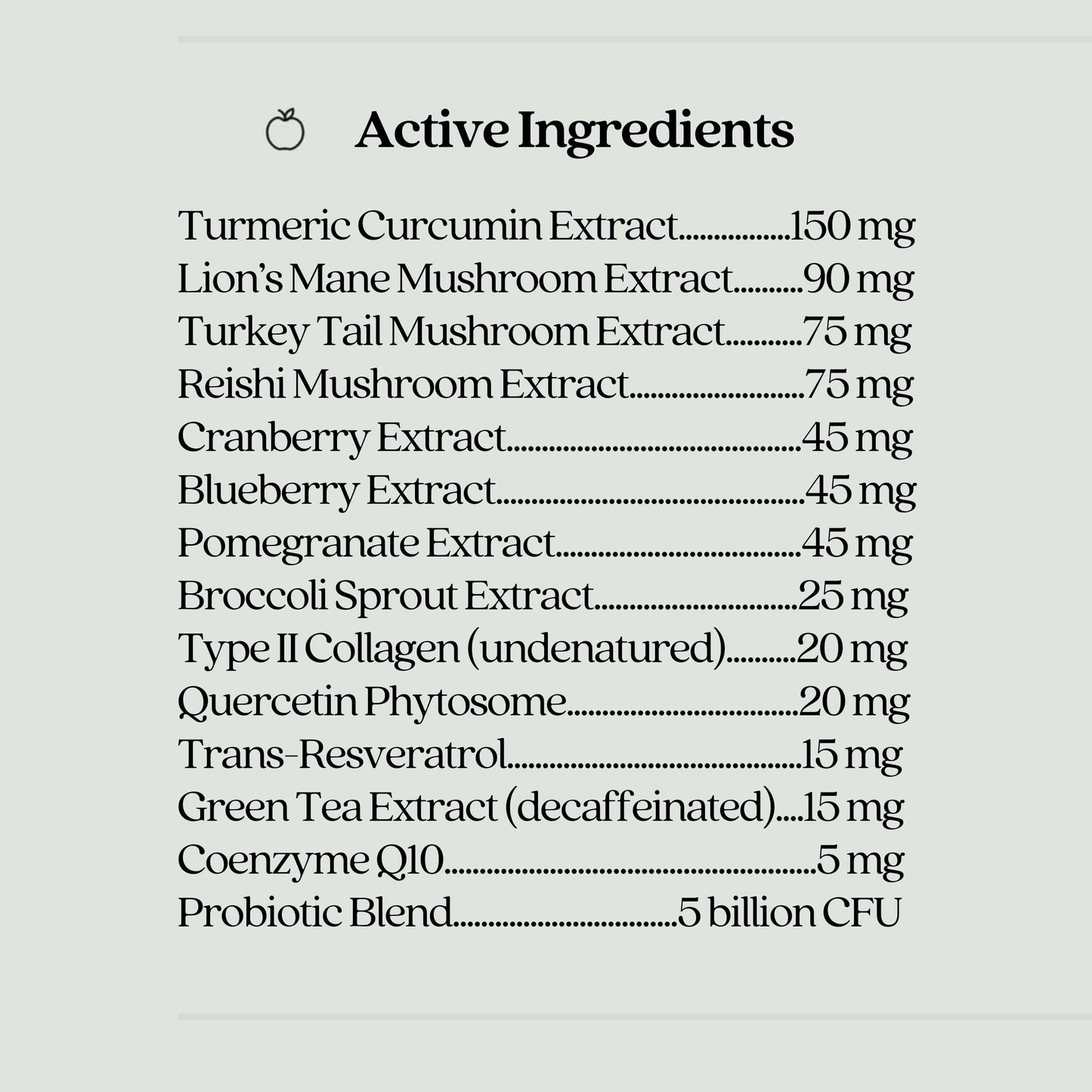
Supplements for Joint and Skin Health: Consider adding supplements such as glucosamine for joint support, omega-3 fatty acids for skin and coat health, and probiotics for digestive health to your Pug’s diet.
3. Exercise and Physical Activity: Keeping Your Pug Fit
Regular exercise is crucial for maintaining your Pug’s physical and mental health. While Pugs are not as high-energy as some other breeds, they still require daily physical activity to stay fit and prevent obesity.
Daily Walks and Playtime: Aim for at least 30 minutes of exercise each day. This can include short walks, indoor playtime, and interactive activities such as fetch or gentle tug-of-war. Regular exercise helps maintain a healthy weight, strengthens muscles, and supports cardiovascular health.
Mental Stimulation: Pugs are intelligent dogs that benefit from mental stimulation to prevent boredom and behavioral issues. Incorporate activities like obedience training, puzzle toys, and scent games into their daily routine to keep their minds sharp.
4. Preventive Healthcare: The Key to Longevity
Preventive healthcare is essential for extending your Pug’s healthspan. Regular veterinary check-ups allow for early detection and treatment of potential health issues, which can significantly improve your dog’s quality of life.
Routine Check-Ups: Schedule annual or bi-annual vet visits to monitor your Pug’s overall health. As your dog ages, these visits may need to become more frequent to catch age-related issues early.
Vaccinations and Parasite Prevention: Keep your Pug up-to-date on vaccinations and implement a year-round parasite prevention plan to protect against fleas, ticks, and heartworms.
Dental Care: Dental health is particularly important for Pugs, as they are prone to dental issues like periodontal disease. Brush your dog’s teeth regularly and consider professional cleanings to prevent tooth decay and gum disease.
5. Common Health Issues in Pugs: Prevention and Management
While Pugs are generally healthy, they are prone to certain health conditions that can impact their lifespan. Being aware of these issues and taking steps to manage or prevent them is essential.
- Brachycephalic Syndrome: Pugs are brachycephalic dogs, meaning they have a short, flat face. This can lead to breathing difficulties, especially in hot or humid weather. To help manage this, keep your Pug at a healthy weight, avoid excessive heat, and provide plenty of water. In severe cases, surgery may be needed to improve airway function.
- Hip Dysplasia: Although more common in larger breeds, Pugs can also suffer from hip dysplasia. To reduce the risk, maintain a healthy weight for your Pug, provide joint supplements, and avoid activities that put excessive strain on their joints.
- Skin Allergies and Infections: Pugs have sensitive skin and are prone to allergies, which can lead to itching, redness, and infections. Regular grooming, a healthy diet, and prompt treatment of any skin issues can help keep your Pug’s skin healthy.
- Obesity: Pugs are prone to gaining weight, which can exacerbate other health issues like breathing difficulties and joint problems. Monitor your Pug’s diet and exercise regularly to prevent obesity.
6. Environmental Factors and Quality of Life
The environment in which your Pug lives can significantly impact their overall health and longevity. Providing a safe, comfortable, and enriching home environment is crucial for their well-being.
Climate Considerations: Due to their brachycephalic nature, Pugs are more sensitive to extreme temperatures, especially heat. In hot weather, ensure your dog has access to plenty of water and shade, and avoid outdoor activities during peak heat. In cold weather, provide a warm, cozy place for your Pug to rest.
Safe Living Environment: Pugs are curious and playful, so it’s important to create a safe living space. Ensure your home and yard are free of hazards that could cause injury, such as sharp objects, toxic plants, or small items that could be swallowed. Additionally, provide your Pug with a comfortable bed and plenty of toys to keep them entertained.
7. Socialization and Emotional Well-being
Pugs are social animals that thrive on companionship and interaction with their owners and other dogs. Ensuring your Pug has regular socialization and emotional support is essential for their overall happiness and health.
Socialization: Introduce your Pug to a variety of people, animals, and environments from a young age to help them become well-adjusted adults. Regular socialization reduces the risk of anxiety and behavioral issues, making your Pug more confident and friendly.
Emotional Support: Pugs form strong bonds with their owners and can suffer from separation anxiety if left alone for long periods. Spend quality time with your Pug, offering affection and attention to strengthen your bond and ensure their emotional well-being.
8. Holistic Approaches to Enhancing Healthspan
In addition to traditional veterinary care, holistic approaches can support your Pug’s health and well-being. These methods can help manage pain, reduce stress, and promote overall health.
Massage Therapy: Regular massages can help alleviate muscle tension, improve circulation, and reduce stress in your Pug. Massage is particularly beneficial for dogs with arthritis or other musculoskeletal issues.
Acupuncture: Acupuncture is used to manage pain and improve mobility in dogs with chronic conditions like arthritis or hip dysplasia. It can be an effective complementary therapy for Pugs prone to joint problems.
Herbal Supplements: Herbal supplements such as turmeric (for its anti-inflammatory properties) and milk thistle (for liver health) can support your Pug’s overall well-being. Always consult your vet before introducing new supplements to your dog’s diet.
9. Monitoring Aging and Senior Care
As your Pug ages, their needs will change, requiring adjustments to their care routine. Monitoring their health closely and providing appropriate senior care can help them age gracefully and maintain a good quality of life.
Senior Dog Diet: Switch to a senior dog food formula that is lower in calories but still rich in essential nutrients like protein, omega-3 fatty acids, and antioxidants. This helps manage your dog’s weight while supporting their aging joints and immune system.
Adapted Exercise Routine: While your senior Pug may not be as energetic as they once were, regular exercise is still crucial. Opt for gentler activities like short, slow walks or indoor play to keep them active without putting too much strain on their joints.
Pain Management: Older Pugs may develop arthritis or other conditions that cause pain. Work with your vet to develop a pain management plan that may include medications, supplements, or alternative therapies like acupuncture or laser therapy.
Conclusion: Ensuring a Long, Healthy Life for Your Pug
Pugs are affectionate, loyal, and charming dogs that bring immense joy to their families. With the right care, they can live long, healthy lives. By focusing on a balanced diet, regular exercise, preventive healthcare, and a loving environment, you can help your Pug achieve not just a long lifespan but a long healthspan—where they remain active, happy, and healthy throughout their years.
Understanding the factors that influence your Pug’s longevity empowers you to make informed decisions that benefit their overall well-being. Whether you’re raising a playful puppy or caring for a wise senior, the steps you take today can have a lasting impact on your Pug’s quality of life.
Essential Tips for Your Pug’s Longevity
How Long Do Pug Dogs Live?
Pugs typically live between 12 to 15 years, though with proper care, some can live even longer. Their lifespan can be influenced by factors such as genetics, diet, exercise, healthcare, and overall lifestyle.
Key Factors for Pug Longevity:
- Genetics and Breeding: Choose a reputable breeder to avoid genetic health issues.
- Diet: Feed a balanced diet rich in essential nutrients and maintain a healthy weight.
- Exercise: Provide regular exercise and mental stimulation to support physical and mental health.
- Healthcare: Schedule regular vet visits and stay on top of dental care and vaccinations.
- Environment: Ensure a safe, comfortable, and enriching home environment.
Tips to Improve Your Pug’s Healthspan:
Manage Weight: Prevent obesity through diet and exercise.
Support Joint Health: Use supplements and provide low-impact activities to protect joints.
Holistic Care: Consider massage, acupuncture, and herbal supplements to support overall well-being.