As pet owners, we understand the importance of maintaining our dogs’ health and well-being, particularly when it comes to digestive and immune system support. One natural supplement that has proven to be exceptionally beneficial for dogs is probiotics. These live microorganisms, often referred to as "good bacteria," play a critical role in supporting digestive health, enhancing the immune system, and improving overall vitality. But what exactly are probiotics, and how can they benefit your dog? This guide delves into everything you need to know about natural probiotics for dogs, including their benefits, how they work, and how to safely incorporate them into your dog's diet.
What Are Probiotics?
Probiotics are live microorganisms that, when administered in adequate amounts, confer a health benefit on the host—in this case, your dog. They are most commonly known for their role in supporting gut health by maintaining a healthy balance of gut flora, which is crucial for optimal digestive function. However, the benefits of probiotics extend far beyond digestion, playing a significant role in supporting the immune system, reducing inflammation, and enhancing overall health.
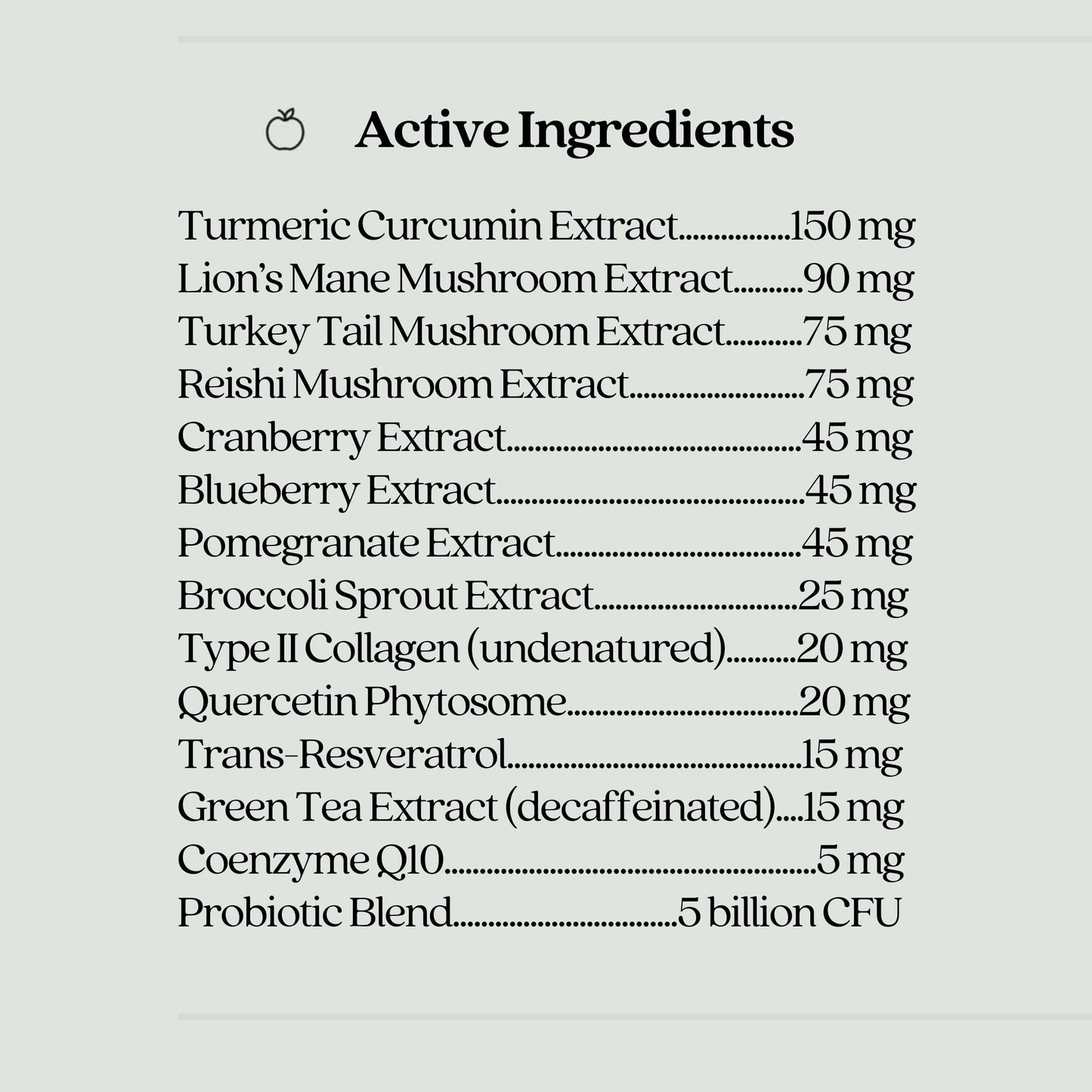
Key Probiotic Strains in Canine Health: In the world of canine probiotics, certain strains are particularly effective. The probiotic blend in your formula features Lactobacillus acidophilus and Enterococcus faecium, two of the most widely researched and beneficial strains for dogs. These strains are specifically chosen for their ability to survive the harsh environment of the gastrointestinal (GI) tract and deliver their full range of health benefits.
Key Benefits of Probiotics for Dogs
1. Supports Digestive Health
Maintaining Gut Balance: The primary role of probiotics is to maintain a healthy balance of gut flora. The gut is home to trillions of bacteria, both good and bad. When this balance is disrupted—by stress, illness, antibiotics, or diet—it can lead to digestive issues such as diarrhea, constipation, and bloating. Probiotics like Lactobacillus acidophilus help to restore this balance by adhering to the gut wall and preventing the colonization of harmful bacteria. This is crucial for maintaining intestinal integrity and promoting healthy digestion.
Improving Stool Quality: Probiotics have been shown to improve stool quality and consistency, particularly in dogs with sensitive stomachs or those prone to digestive upset. By promoting the growth of beneficial bacteria and inhibiting pathogens, probiotics can help reduce the frequency of diarrhea and other digestive disturbances, contributing to overall gastrointestinal comfort.
2. Enhances Immune Function
Strengthening the Immune Response: A significant portion of a dog’s immune system resides in the gut. Probiotics play a crucial role in regulating the immune response, helping to strengthen the body’s natural defenses against pathogens. Enterococcus faecium, a key strain in your probiotic blend, has been shown to enhance immune functions by producing bacteriocins—proteins that inhibit the growth of harmful bacteria. This makes probiotics particularly valuable for dogs with weakened immune systems, whether due to age, stress, or illness.
Reducing Inflammation: Chronic inflammation is a common issue in dogs, contributing to a range of health problems from allergies to autoimmune diseases. Probiotics can help modulate the immune response and reduce inflammation, potentially alleviating symptoms and improving overall health. This anti-inflammatory effect is particularly beneficial for dogs with conditions such as inflammatory bowel disease (IBD) or arthritis.
3. Supports Nutrient Absorption and Energy Levels
Enhancing Nutrient Absorption: Probiotics play a critical role in the synthesis and absorption of nutrients. For example, they help in the production of certain vitamins, such as B vitamins and vitamin K, which are essential for energy metabolism and overall vitality. By maintaining a healthy gut environment, probiotics ensure that your dog can absorb nutrients more efficiently, contributing to better energy levels and overall health.
Boosting Energy Levels: A healthy gut leads to better nutrient absorption, which in turn supports higher energy levels. Dogs that are better able to absorb nutrients from their food are likely to be more active, playful, and engaged. This is particularly important for aging dogs, as maintaining energy levels is crucial for their quality of life.
4. Helps Manage Stress and Anxiety
Gut-Brain Connection: The gut and brain are closely connected through the gut-brain axis, a communication network that links the emotional and cognitive centers of the brain with peripheral intestinal functions. Probiotics can influence this connection by promoting the production of neurotransmitters such as serotonin, which plays a role in mood regulation. This can help manage stress and anxiety in dogs, particularly those prone to nervousness or separation anxiety.
Supporting Mental Health: By maintaining a healthy gut microbiome, probiotics may also help support cognitive function and mental well-being in dogs. This is especially important as dogs age, as cognitive decline can significantly impact their quality of life. Probiotics, by supporting overall gut health, can contribute to better mental health and a more balanced mood in dogs.
The Science Behind the Probiotics in Your Formula
Lactobacillus acidophilus: One of the most commonly used probiotic strains, Lactobacillus acidophilus is particularly effective in enhancing gut health. This strain works by adhering to the gut wall, where it helps prevent the colonization of harmful bacteria. It also breaks down lactose into lactic acid, maintaining an acidic environment in the gut that is inhospitable to pathogens. This action is crucial for maintaining intestinal integrity and promoting a healthy immune response. Lactobacillus acidophilus has been shown to improve stool quality and reduce the frequency of diarrhea, making it particularly beneficial for dogs with sensitive stomachs or those undergoing antibiotic therapy.
Enterococcus faecium: This probiotic strain is known for its robust nature and ability to survive the harsh conditions of the GI tract, ensuring that it reaches the gut in an active form to exert its beneficial effects. Enterococcus faecium contributes to the health and stability of the canine gut microbiome by crowding out harmful bacteria and producing bacteriocins, proteins that inhibit the growth of pathogenic bacteria. Research has demonstrated that this strain can enhance immune functions, making it particularly valuable for boosting the immune system of dogs, especially in stressful situations or as they age.
The combined action of Lactobacillus acidophilus and Enterococcus faecium in the 5-billion CFU probiotic blend provides comprehensive support for both digestive and immune health. These strains help regulate the immune response, reduce inflammation, and improve nutrient absorption, all of which are essential for maintaining energy levels and overall vitality.
How to Integrate Probiotics into Your Dog’s Diet
Choosing the Right Form: Probiotics for dogs are available in various forms, including powders, capsules, and liquids. The liquid fat-based product you provide is optimized for delivery, ensuring that the probiotics are stable and effective when they reach your dog’s gut. The fat-based carrier enhances the bioavailability of the probiotics, ensuring that they are not destroyed by stomach acid before they can take effect.
Dosage and Administration: The appropriate dosage of probiotics can vary depending on your dog’s size, age, and health status. A general guideline is to provide one-half teaspoon per 20 lbs of body weight, with the probiotic blend standardized at 5 billion CFU per teaspoon. For example, a 40 lb dog would receive one teaspoon, while a 20 lb dog would receive half a teaspoon. It’s important to start with the recommended dose and monitor your dog’s response, adjusting as needed based on their specific needs and any advice from your veterinarian.
Safety Considerations: Probiotics are generally considered safe for dogs, but it’s important to monitor your dog for any signs of gastrointestinal upset, particularly when first introducing the supplement. Starting with a lower dose and gradually increasing it can help minimize the risk of digestive issues. If your dog shows any adverse reactions, discontinue use and consult your veterinarian.
Probiotics in a Holistic Health Plan
Combining with Other Supplements: Probiotics can be effectively combined with other supplements to create a comprehensive health regimen for your dog. For example, combining probiotics with prebiotics can enhance their effectiveness, as prebiotics serve as food for the beneficial bacteria, helping them thrive in the gut. Additionally, pairing probiotics with omega-3 fatty acids can provide additional anti-inflammatory benefits, while combining them with digestive enzymes can further support digestive health.
Lifestyle Considerations: Maintaining a healthy lifestyle for your dog is crucial for their overall well-being. This includes a balanced diet, regular exercise, and routine veterinary care. Probiotics can be a valuable addition to this holistic approach, helping to manage specific health concerns and support overall vitality.
Addressing Specific Conditions: For dogs with chronic conditions such as IBD, allergies, or a weakened immune system, probiotics can be particularly beneficial. By integrating probiotics into your dog’s daily routine, you can help manage these conditions more effectively and improve your dog’s quality of life.
Why Probiotics Are Essential in Multi-Supplement Formulas
Probiotics are not just beneficial on their own; they also play a crucial role in enhancing the effectiveness of other supplements in multi-supplement formulas. Here’s why probiotics are essential in a comprehensive health regimen for dogs:
1. Enhancing the Effectiveness of Other Ingredients
Probiotics work synergistically with other supplements, such as digestive enzymes, omega-3 fatty acids, and antioxidants, to enhance overall health. By supporting gut health, probiotics help ensure that your dog can absorb and utilize other nutrients more effectively. This is particularly important in multi-supplement formulas, where the goal is to provide a broad spectrum of health benefits.
2. Supporting Overall Health and Longevity
Probiotics contribute to overall health by maintaining a healthy gut microbiome, which is essential for digestion, immune function, and nutrient absorption. When included in multi-supplement formulas, probiotics help create a balanced approach to health, addressing multiple aspects of well-being from the inside out.
3. Natural and Safe
As a natural, safe, and effective supplement, probiotics can be used long-term to support your dog’s health. Their ability to enhance the bioavailability of other nutrients makes them a valuable component of multi-supplement formulas, ensuring that your dog receives the full benefit of all the active ingredients.
Conclusion: The Role of Probiotics in Enhancing Your Dog’s Health
Natural probiotics offer a wide range of benefits for dogs, particularly in the areas of digestive and immune health. By incorporating probiotics into your dog’s diet, you can help manage chronic conditions, support overall health, and enhance your dog’s quality of life.
However, probiotics should be part of a broader, holistic approach to your dog’s health. This includes a balanced diet, regular exercise, routine veterinary check-ups, and plenty of love and attention. By taking a proactive approach to your dog’s well-being, you can help ensure they enjoy a long, healthy, and happy life.
Essential Tips for Your Dog’s Longevity
What Are Natural Probiotics for Dogs?
Natural probiotics are live microorganisms that support gut health and the immune system. They help maintain a healthy balance of gut flora, crucial for digestion and overall vitality.
Key Benefits of Probiotics for Dogs:
- Digestive Health: Improve stool quality and maintain gut balance, especially in dogs with sensitive stomachs.
- Immune Support: Strengthen the immune response and reduce inflammation, contributing to overall health.
- Nutrient Absorption: Enhance the absorption of essential nutrients, boosting energy levels and vitality.
- Stress Management: Support mental health and help manage stress and anxiety through the gut-brain connection.
How to Use Probiotics:
Dosage: Provide one-half teaspoon per 20 lbs of body weight, with probiotics standardized at 5 billion CFU per teaspoon.
Safe Sources: Consider using a liquid fat-based probiotic supplement for optimal delivery and effectiveness.
Consult Your Veterinarian: Always consult your vet for the appropriate dosage for your dog and to monitor their response to probiotics.