As our dogs age, we naturally seek ways to support their health, vitality, and overall well-being. One compound gaining significant attention in veterinary health is resveratrol, a powerful polyphenol renowned for its antioxidative, anti-inflammatory, and anti-aging properties. But what exactly is resveratrol, and how can it benefit your dog? This guide explores everything you need to know about resveratrol for dogs, including its sources, benefits, and role in promoting a longer, healthier life for your canine companion.
What is Resveratrol?
Resveratrol is a naturally occurring polyphenolic compound found in various plants, including grapes, berries, and Japanese knotweed. It’s most commonly associated with red wine due to its presence in grape skins. However, in veterinary applications, resveratrol is typically sourced from Japanese knotweed (Polygonum cuspidatum) because of its high concentration of trans-resveratrol, the active form known for its potent health benefits.
Trans-Resveratrol is celebrated for its ability to activate sirtuin pathways, which are critical for cellular repair and longevity. These pathways help enhance cellular function, modulate the aging process, and improve overall health. For dogs, resveratrol offers a range of benefits, particularly in supporting cardiovascular health, cognitive function, and reducing inflammation.

Key Benefits of Resveratrol for Dogs
1. Cardiovascular Health
Support for Heart Function: Resveratrol is known to promote a robust cardiovascular system by improving vascular function and reducing the risk of heart disease. In aging dogs, where heart health becomes increasingly critical, resveratrol helps maintain healthy blood vessels, supports heart function, and may reduce the risk of age-related cardiac issues.
Enhanced Longevity: The compound’s ability to influence the expression of genes linked to longevity is particularly valuable. Resveratrol’s impact on sirtuin pathways helps protect against age-related diseases, contributing to a longer, healthier life for your dog.
2. Neuroprotective Effects
Cognitive Health Support: One of the standout benefits of resveratrol is its neuroprotective properties. This polyphenol can cross the blood-brain barrier, a unique ability that allows it to protect neurological health effectively. By promoting cerebral blood flow and reducing the accumulation of plaques associated with cognitive decline, resveratrol helps preserve memory and cognitive functions in senior dogs.
Prevention of Cognitive Decline: As dogs age, they may experience cognitive decline, similar to dementia in humans. Resveratrol’s ability to support brain health and prevent the deterioration of cognitive functions is crucial in maintaining the mental sharpness and quality of life in older dogs.

3. Anti-Inflammatory Properties
Managing Chronic Conditions: Inflammation is a common underlying factor in many chronic conditions, including arthritis, which is prevalent in older dogs. Resveratrol’s anti-inflammatory properties help reduce systemic inflammation, easing pain and improving mobility. This makes it an invaluable component in managing conditions that impact your dog’s quality of life.
Joint Health: By reducing inflammation in the joints, resveratrol supports joint health and mobility, enabling older dogs to remain active and comfortable. This is particularly important as maintaining an active lifestyle is key to overall health and longevity.
How to Integrate Resveratrol into Your Dog’s Diet
Choosing the Right Source: When considering resveratrol for your dog, it’s essential to choose a source that is safe and effective. Japanese knotweed is the preferred source due to its high concentration of trans-resveratrol, which is standardized to ensure purity and potency.
Safety Considerations: Not all resveratrol sources are suitable for dogs. Resveratrol derived from grapes, for example, should be avoided due to the potential for toxicity in dogs. Ensure that the resveratrol used in any supplement is specifically sourced from dog-safe plants like Japanese knotweed. Additionally, high-purity resveratrol (standardized to at least 98% trans-resveratrol) ensures therapeutic efficacy while minimizing the risk of gastrointestinal upset.
Dosage and Administration: The appropriate dosage of resveratrol can vary depending on your dog’s size, age, and health status. A typical guideline is to provide one-half teaspoon per 20 lbs of body weight, with resveratrol standardized at 15 mg per teaspoon. For example, a 40 lb dog would receive one teaspoon, while a 20 lb dog would receive half a teaspoon. It’s always best to consult with your veterinarian before introducing any new supplement to your dog’s diet. Your vet can provide guidance on the right dosage and monitor your dog’s response to the supplement.


Resveratrol in Longevity-ONE: A Strategic Approach to Canine Health
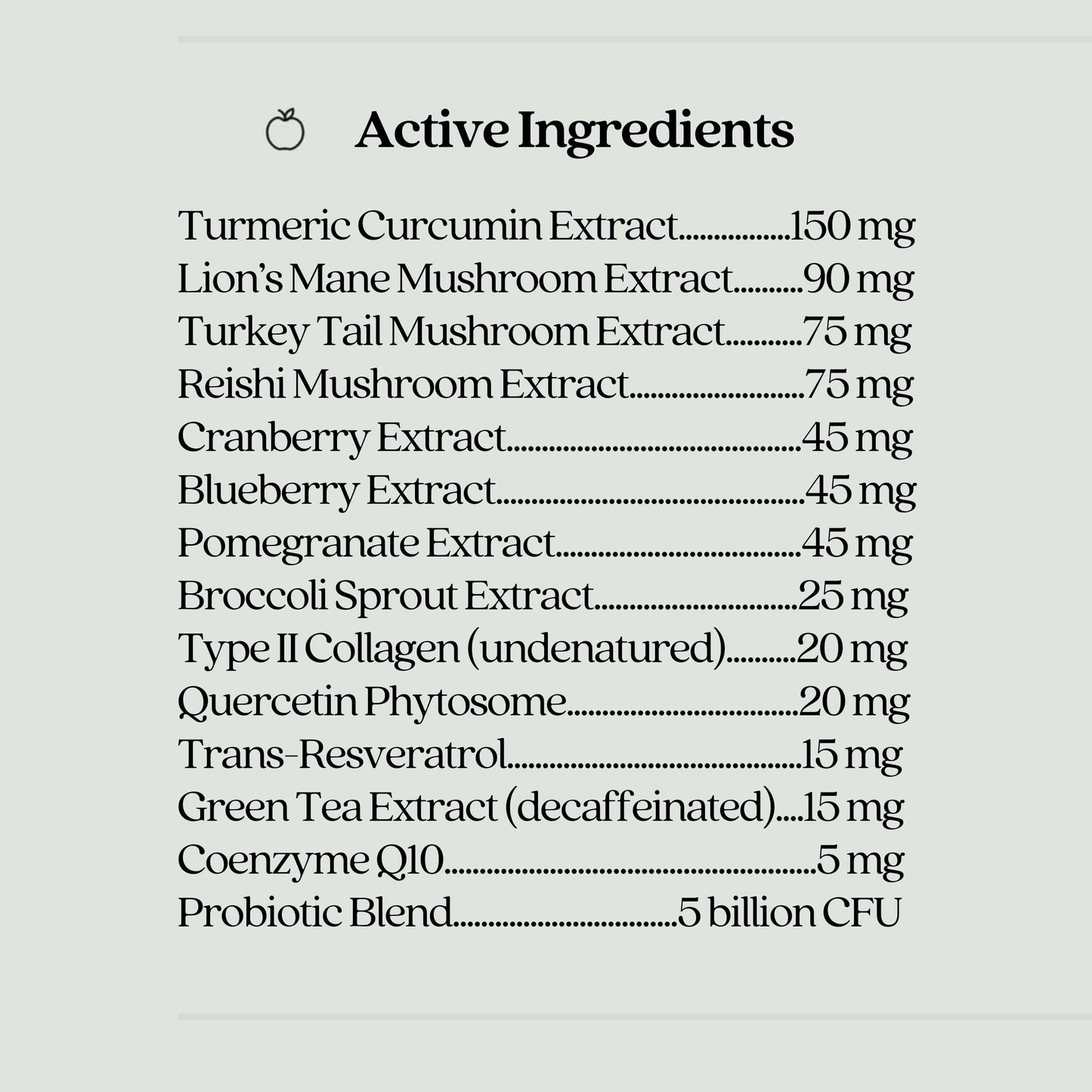
In advanced canine supplements like Longevity-ONE, trans-resveratrol is carefully sourced and standardized to ensure the highest quality and bioavailability. Sourced from Japanese knotweed, cultivated in controlled environments in the USA, the trans-resveratrol in Longevity-ONE undergoes ethanol extraction to achieve a purity of 98%. This high level of purity is critical for maximizing the health benefits of resveratrol while minimizing any potential side effects.
By integrating resveratrol into the Longevity-ONE formula, the supplement provides a comprehensive, multi-faceted approach to canine health. It supports cardiovascular health, enhances cognitive function, and reduces inflammation, all of which are crucial for promoting longevity and maintaining the health and vitality of aging dogs.
Lifestyle Tips to Maximize the Benefits of Resveratrol
1. Balanced Diet and Nutrition
While resveratrol can provide significant health benefits, it should be part of a broader strategy that includes a balanced diet rich in essential nutrients. Feeding your dog high-quality food tailored to their life stage, along with supplements like resveratrol, ensures they receive the necessary support for overall health and longevity.
2. Regular Exercise
Maintaining an active lifestyle is vital for your dog’s cardiovascular health, joint mobility, and mental well-being. Regular exercise, suited to your dog’s age and physical condition, complements the benefits of resveratrol by keeping your dog fit and engaged.
3. Routine Veterinary Care
Regular check-ups with your veterinarian are essential for monitoring your dog’s health, particularly as they age. Your vet can help manage any age-related conditions and adjust your dog’s care plan, including supplement recommendations, to ensure they receive the best possible support.
4. Mental Stimulation and Social Interaction
Keeping your dog mentally stimulated and socially engaged is crucial for preventing cognitive decline. Activities like puzzle toys, training sessions, and regular interaction with other dogs and people help keep your dog’s mind sharp and their spirits high.

Conclusion: The Role of Resveratrol in Enhancing Your Dog’s Healthspan
Resveratrol offers a powerful, natural way to support your dog’s health, particularly as they age. By promoting cardiovascular and cognitive health, reducing inflammation, and supporting overall longevity, resveratrol can play a key role in maintaining your dog’s vitality and quality of life.
However, resveratrol should be viewed as part of a holistic approach to your dog’s health, which includes a balanced diet, regular exercise, routine veterinary care, and plenty of love and attention. By taking a proactive approach to your dog’s health, you can help ensure they enjoy many happy, healthy years by your side.

Essential Tips for Your Dog’s Longevity
What is Resveratrol for Dogs?
Resveratrol is a natural polyphenolic compound found in plants like Japanese knotweed, known for its antioxidative, anti-inflammatory, and neuroprotective benefits. It supports cardiovascular health, cognitive function, and joint mobility in dogs, particularly as they age.
Key Benefits of Resveratrol for Dogs:
- Cardiovascular Health: Supports heart function and vascular health, reducing the risk of heart disease.
- Cognitive Function: Enhances brain health, preserving memory and preventing cognitive decline.
- Anti-Inflammatory: Reduces inflammation, aiding in the management of arthritis and other chronic conditions.
How to Use Resveratrol:
Dosage: Provide one-half teaspoon per 20 lbs of body weight, with 15 mg of resveratrol per teaspoon.
Safe Sources: Choose high-purity resveratrol from safe sources like Japanese knotweed.
Consult Your Veterinarian: Always consult your vet for the appropriate dosage for your dog and to integrate resveratrol as part of a balanced diet and healthy lifestyle for maximum benefits.