As pet owners, we strive to provide our dogs with the best possible care to ensure their long-term health and happiness. One natural supplement that has gained significant attention for its health benefits in both humans and dogs is turmeric. Known for its potent anti-inflammatory and antioxidant properties, turmeric, particularly its active compound curcumin, is now being widely used to support various aspects of canine health. But what exactly is turmeric, and how can it benefit your dog? This guide will cover everything you need to know about turmeric for dogs, including its benefits, how it works, and how to safely incorporate it into your dog's diet.
What is Turmeric?
Turmeric is a bright yellow spice that has been used for centuries in traditional medicine, particularly in Ayurveda and Traditional Chinese Medicine. It is derived from the root of the Curcuma longa plant, a member of the ginger family. The primary active compound in turmeric is curcumin, which is responsible for most of its health benefits. Curcumin is known for its powerful anti-inflammatory, antioxidant, and anti-cancer properties, making it a popular supplement for both humans and pets.
High-Quality Sourcing: When selecting turmeric supplements for your dog, it's crucial to choose high-quality products that are standardized to contain a significant amount of curcumin. Turmeric used in premium supplements is often sourced from organic farms to ensure purity and potency, free from pesticides and other harmful chemicals. This attention to quality ensures that your dog receives the full benefits of turmeric in every dose.
Key Benefits of Turmeric for Dogs
Anti-Inflammatory Properties
Reducing Joint Pain and Arthritis: One of the most well-known benefits of turmeric for dogs is its ability to reduce inflammation, particularly in joints. Dogs suffering from arthritis or other inflammatory conditions can experience significant relief from pain and stiffness when turmeric is added to their diet. Curcumin works by inhibiting enzymes and cytokines that contribute to inflammation, providing a natural alternative to non-steroidal anti-inflammatory drugs (NSAIDs) without the associated side effects.
Managing Chronic Inflammation: Inflammation is a common underlying factor in many chronic diseases, including heart disease, cancer, and diabetes. By incorporating turmeric into your dog’s diet, you can help manage chronic inflammation, potentially preventing the onset or progression of these conditions.
Antioxidant Effects
Protecting Against Oxidative Stress: Curcumin is a powerful antioxidant that helps neutralize free radicals in the body, protecting cells from oxidative damage. This is particularly important for aging dogs, as oxidative stress can accelerate the aging process and contribute to the development of chronic diseases. By reducing oxidative stress, turmeric supports overall health and longevity in dogs.
Supporting Liver Health: The antioxidant properties of turmeric also extend to liver health. The liver is responsible for detoxifying the body, and curcumin has been shown to support liver function by enhancing the production of bile, which aids in the digestion and metabolism of fats. This makes turmeric a valuable supplement for dogs with liver issues or those prone to toxins in their environment.
Anti-Cancer Properties
Inhibiting Cancer Cell Growth: Emerging research suggests that curcumin may play a role in inhibiting the growth of cancer cells and preventing the spread of tumors. While turmeric is not a cure for cancer, its anti-inflammatory and antioxidant effects can support conventional cancer treatments and improve quality of life for dogs undergoing therapy.
Supporting Immune Function: In addition to its direct effects on cancer cells, turmeric also supports the immune system, helping the body to fight off infections and other diseases more effectively. A strong immune system is crucial for overall health, particularly in aging dogs or those with chronic conditions.
Digestive Health
Improving Digestion: Turmeric has been used for centuries to support digestive health. In dogs, it can help alleviate symptoms of indigestion, bloating, and gas by promoting the production of stomach acid and bile. This makes turmeric a useful supplement for dogs with sensitive stomachs or those prone to digestive issues.
Managing Gastrointestinal Disorders: For dogs with gastrointestinal disorders such as inflammatory bowel disease (IBD), turmeric can help manage symptoms by reducing inflammation in the gut. Its soothing properties can help ease discomfort and improve nutrient absorption, contributing to overall better digestive health.
Optimizing Curcumin Absorption with Liquid Fat-Based Delivery
Liquid Fat-Based Delivery for Enhanced Absorption: Curcumin, the active compound in turmeric, is fat-soluble, meaning it dissolves better in fat than in water. To maximize the absorption and longevity of curcuminoids in your dog's system, consider using a liquid fat-based delivery method. This can include combining turmeric with a healthy fat like coconut oil or using a supplement that already incorporates this delivery system. The fat helps to protect the curcumin from being broken down too quickly in the digestive tract, ensuring that more of it reaches the bloodstream where it can exert its beneficial effects.
Longevity of Curcuminoids: By enhancing the bioavailability of curcumin through liquid fat-based delivery, you can ensure that the curcuminoids remain active in your dog’s body for a longer period. This extended activity allows for sustained anti-inflammatory and antioxidant effects, contributing to better overall health and longevity. This approach is particularly beneficial for dogs with chronic conditions that require consistent management, such as arthritis or gastrointestinal disorders.
How to Integrate Turmeric into Your Dog’s Diet
Choosing the Right Form: Turmeric can be incorporated into your dog’s diet in several forms, including as a powder, paste, or in supplement form. When selecting a turmeric supplement, it's important to choose a product that is specifically formulated for dogs, with a standardized amount of curcumin to ensure consistency and effectiveness.
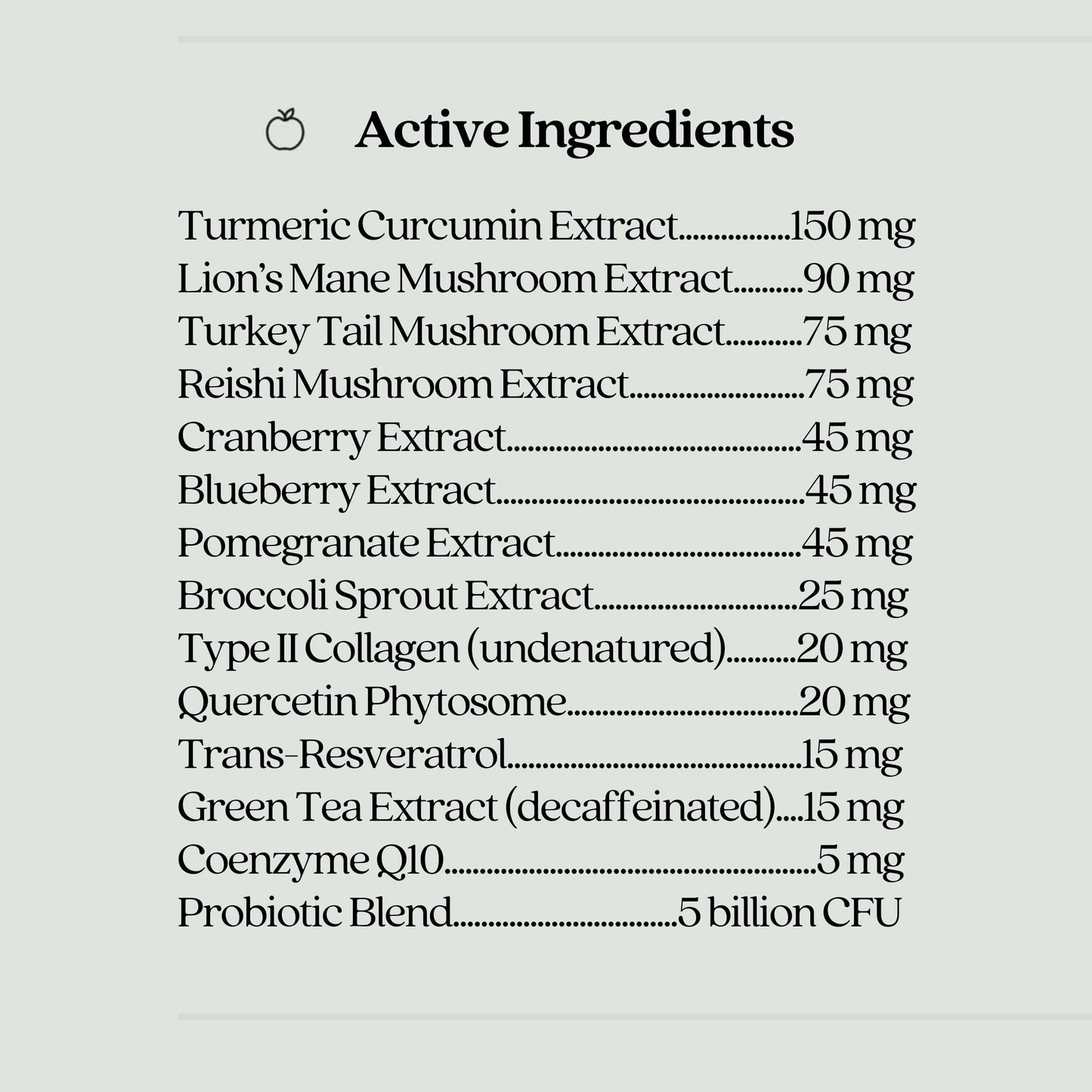
Dosage and Administration: The appropriate dosage of turmeric can vary depending on your dog’s size, age, and health status. A general guideline is to provide one-half teaspoon per 20 lbs of body weight, with turmeric curcumin extract standardized at 150 mg per teaspoon. For example, a 40 lb dog would receive one teaspoon, while a 20 lb dog would receive half a teaspoon. It’s always recommended to start with a lower dose and gradually increase to the full recommended amount to monitor how your dog responds to the supplement.
Enhancing Bioavailability: Curcumin, the active compound in turmeric, is not easily absorbed by the body on its own. To enhance its bioavailability, turmeric is often combined with a small amount of black pepper (piperine) or a healthy fat, such as coconut oil, which can significantly increase absorption. When giving turmeric to your dog, consider pairing it with a source of healthy fat or choosing a supplement that includes piperine for maximum effectiveness.
Safety Considerations: Turmeric is generally considered safe for dogs, but it's important to monitor your dog for any signs of gastrointestinal upset, particularly when first introducing the supplement. Starting with a lower dose and gradually increasing it can help minimize the risk of digestive issues. If your dog shows any adverse reactions, discontinue use and consult your veterinarian.
Turmeric in a Holistic Health Plan
Combining with Other Supplements: Turmeric can be effectively combined with other supplements to create a comprehensive health regimen for your dog. For example, combining turmeric with omega-3 fatty acids can enhance its anti-inflammatory effects, while pairing it with probiotics can support digestive health. Additionally, combining turmeric with supplements like glucosamine and chondroitin can provide comprehensive joint support for dogs with arthritis.
Lifestyle Considerations: In addition to supplementation, maintaining a healthy lifestyle for your dog is crucial. This includes a balanced diet, regular exercise, and routine veterinary care. Turmeric can be a valuable addition to this holistic approach, helping to manage specific health concerns and support overall well-being.
Addressing Specific Conditions: For dogs with chronic conditions such as arthritis, cancer, or gastrointestinal disorders, turmeric can be particularly beneficial. By integrating turmeric into your dog’s daily routine, you can help manage these conditions more effectively and improve your dog’s quality of life.
Why Turmeric is an Ideal Ingredient in Multi-Supplement Formulas
Turmeric is not only a powerful supplement on its own, but it also serves as an exceptional ingredient in multi-supplement formulas. Here’s why turmeric is an ideal addition to a comprehensive health regimen for dogs:
Synergistic Effects with Other Ingredients
Turmeric’s anti-inflammatory and antioxidant properties complement the benefits of other supplements, such as omega-3 fatty acids, glucosamine, and resveratrol. When combined, these ingredients work synergistically to enhance overall health, particularly in areas like joint support, immune function, and cognitive health. This makes turmeric a valuable component of multi-supplement formulas aimed at providing comprehensive health support for dogs.
Versatility in Addressing Multiple Health Concerns
Turmeric is a versatile supplement that can address a wide range of health concerns, from joint pain and inflammation to digestive health and cancer support. Its broad spectrum of benefits makes it an ideal ingredient in formulas designed to support overall wellness in dogs, particularly those with multiple health issues.
Natural and Safe
As a natural, plant-based supplement, turmeric is safe for long-term use in dogs when administered correctly. Its safety profile, combined with its effectiveness, makes it a reliable ingredient in multi-supplement formulas. Additionally, turmeric’s ability to enhance the bioavailability of other nutrients can help ensure that your dog receives the maximum benefit from their supplement regimen.
Conclusion: The Role of Turmeric in Enhancing Your Dog’s Health
Turmeric offers a wide range of benefits for dogs, particularly in the areas of inflammation, oxidative stress, and immune support. By incorporating turmeric into your dog’s diet, you can help manage chronic conditions, support overall health, and enhance your dog’s quality of life.
However, turmeric should be part of a broader, holistic approach to your dog’s health. This includes a balanced diet, regular exercise, routine veterinary check-ups, and plenty of love and attention. By taking a proactive approach to your dog’s well-being, you can help ensure they enjoy a long, healthy, and happy life.
Essential Tips for Your Dog’s Longevity
What is Turmeric for Dogs?
Turmeric is a natural spice derived from the Curcuma longa plant, known for its powerful anti-inflammatory and antioxidant properties. It supports joint health, digestive health, and overall well-being in dogs.
Key Benefits of Turmeric for Dogs:
- Anti-Inflammatory: Reduces inflammation and alleviates joint pain, especially in dogs with arthritis.
- Antioxidant Support: Protects cells from oxidative stress, promoting overall health and longevity.
- Digestive Health: Improves digestion and helps manage gastrointestinal disorders.
- Immune Support: Enhances immune function and may help inhibit cancer cell growth.
How to Use Turmeric:
Dosage: Provide one-half teaspoon per 20 lbs of body weight, with turmeric curcumin extract standardized at 150 mg per teaspoon.
Safe Sources: Consider combining turmeric with a healthy fat or piperine to enhance absorption.
Consult Your Veterinarian: Always consult your vet for the appropriate dosage for your dog and to monitor their response to turmeric.